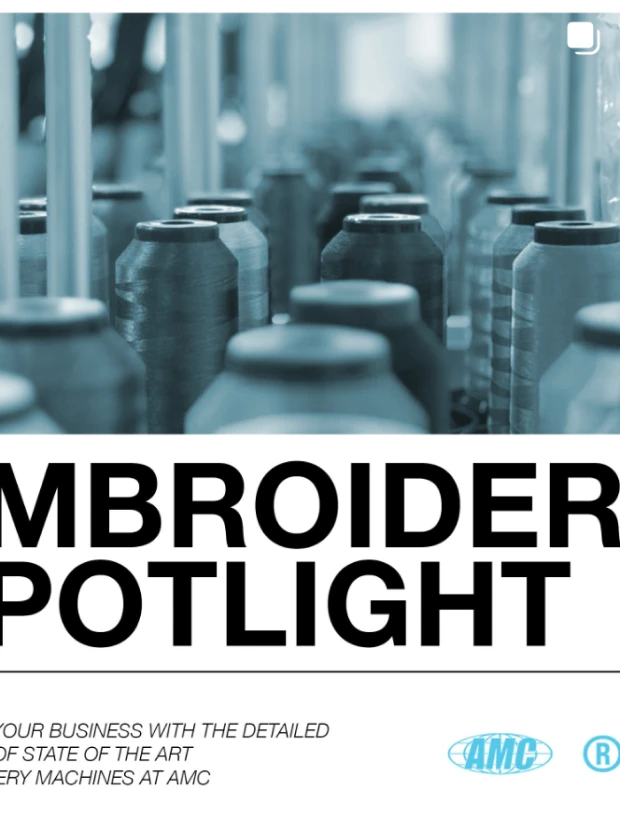
Embroidery is one of the most premium and long-lasting decoration methods in the apparel industry. Known for its textured finish, durability, and professional appearance, embroidery is widely used for corporate uniforms, headwear, workwear, and high-end merchandise.
In this guide, we’ll explain what embroidery is, how the embroidery process works, and why it’s often the preferred option for logos and branded apparel.
What Is Embroidery?
Embroidery is a decoration technique that uses stitched thread to create designs directly onto fabric. Instead of ink sitting on the surface, embroidery physically integrates the design into the garment, resulting in a raised, tactile finish.
This method is especially popular for logos, text, and minimal designs where a clean, professional look is essential.
The Embroidery Process: Step by Step
Embroidery relies on precision machinery and careful preparation to achieve consistent results.
1. Artwork Digitisation
Before embroidery can begin, artwork must be digitised. This means converting a logo or design into a stitch file that tells the embroidery machine exactly how to sew the design—down to stitch direction, density, and thread changes.
Digitisation is one of the most important steps, as it directly impacts the quality, clarity, and durability of the final embroidery.
2. Hooping the Garment
The garment is placed into a hoop, which holds the fabric taut during stitching. Proper hooping prevents movement, puckering, or distortion in the finished design.
3. Stitching
Using computer-controlled embroidery machines, the design is stitched onto the garment using high-quality embroidery threads. Each colour is stitched individually, creating clean lines and strong colour definition.
4. Finishing
Once stitching is complete, excess backing is trimmed, threads are cleaned up, and the garment is inspected to ensure consistency and quality.
Why Choose Embroidery?
Embroidery remains a go-to option for branded apparel for several key reasons.
Premium Look and Feel
Embroidery creates a dimensional, textured finish that instantly elevates a garment. This makes it ideal for professional uniforms, corporate branding, and retail-grade merchandise.
Exceptional Durability
Because embroidery is stitched into the fabric, it won’t crack, peel, or fade like some printed methods. Properly embroidered garments can last the lifetime of the apparel.
Professional Brand Perception
Logos embroidered on polos, jackets, and caps communicate quality, longevity, and attention to detail—making embroidery a strong choice for customer-facing teams.
Embroidery vs Printing Methods
Embroidery vs Screen Printing
Embroidery excels for small logos, text, and chest placements, while screen printing is better suited for large, bold graphics. Many brands use both methods depending on garment type and design intent.
Embroidery vs Heat Transfer
Heat transfers can work for short runs, but embroidery offers superior durability and a more professional finish, particularly on workwear and headwear.
Types of Embroidery
Different embroidery styles are used depending on the look and application required.
- Flat Embroidery – Clean, low-profile stitching ideal for logos
- 3D Puff Embroidery – Raised foam backing for bold, dimensional designs
- Appliqué Embroidery – Fabric layers stitched down for texture and contrast
- Patch Embroidery – Separate embroidered patches applied to garments
Each style offers unique visual and functional benefits.
Common Embroidery Applications
Embroidery is widely used across industries including:
- Corporate uniforms and polos
- Caps and headwear
- Jackets, hoodies, and outerwear
- Workwear and safety apparel
- Premium merchandise and retail garments
Its durability and professional appearance make it a reliable branding solution.
Design Considerations for Embroidery
For the best results, embroidery designs should:
- Use clean lines and simplified shapes
- Avoid extremely small text or fine details
- Be sized appropriately for garment placement
- Consider stitch count and fabric type
A well-prepared design ensures clarity, longevity, and consistent reproduction.
Is Embroidery Right for Your Project?
Embroidery is ideal if you’re looking for:
- A premium, professional finish
- Long-term durability
- Branded uniforms or workwear
- Logos that need to stand the test of time
For businesses and brands that value quality and presentation, embroidery remains a top-tier choice.
Final Thoughts
Embroidery continues to be one of the most trusted and respected apparel decoration methods. With its durability, professional appearance, and tactile finish, it’s an excellent option for branding that lasts.
Whether you’re outfitting a team, producing merchandise, or launching a retail product, embroidery delivers consistency, quality, and timeless appeal.